New South Wales Travel Guide
- homeNew South Wales Travel Guide
New South Wales is Australia's most popular state for travellers — and once you arrive, it's easy to understand why. It has everything. World-class cities, ancient rainforests, golden beaches, snow-capped mountains, rolling wine country, and some of the friendliest people you'll ever meet.
NSW is home to Sydney, Australia's biggest and most iconic city, but the state stretches far beyond the harbour. Head north and you'll find tropical beaches and lush hinterland. Go west and you'll hit the rugged outback. Head south and the Snowy Mountains rise up to meet you. Every direction offers something completely different.
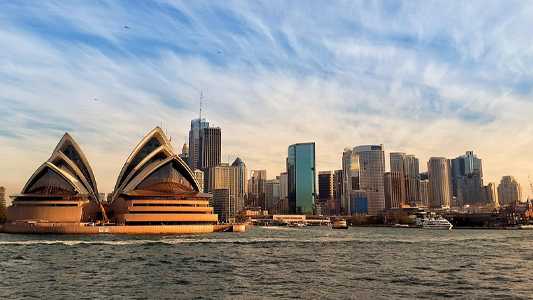
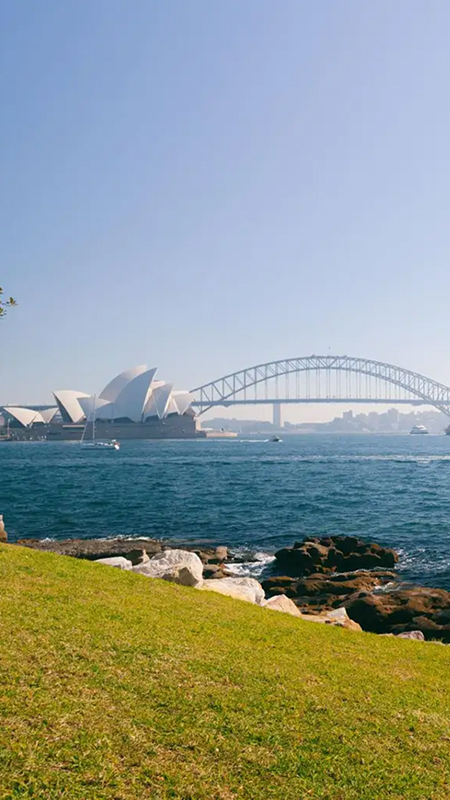
Sydney is one of the world's great cities and the obvious starting point for any NSW trip. Built around one of the most beautiful natural harbours on earth, Sydney is a city that genuinely lives up to its reputation.
Sydney public transport is easy to use with an Opal Card covering trains, buses, ferries, and light rail.
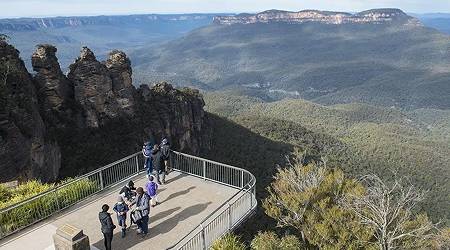
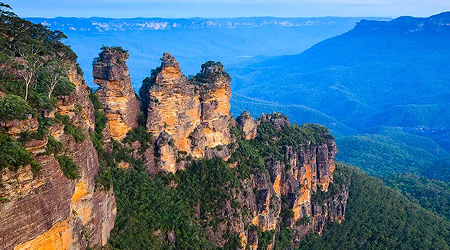
Just 90 minutes west of Sydney by train or car, the Blue Mountains is one of NSW's most visited and most spectacular natural attractions. The Blue Mountains is a UNESCO World Heritage Area and a brilliant destination for hiking, sightseeing, and getting out into nature without travelling far from Sydney.
Australia's oldest wine region sits about two hours north of Sydney and is one of the most popular weekend escapes in NSW. The Hunter Valley is best known for its Semillon and Shiraz wines, but it has become much more than just a wine destination.

Byron Bay is one of Australia’s most popular beach towns in New South Wales. It is famous for surfing, beaches, cafes, yoga culture, markets, and relaxed coastal living. It attracts backpackers, families, surfers, and road trippers all year round.
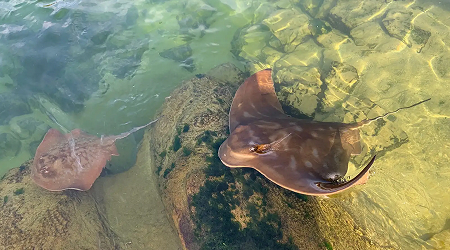
Port Stephens is one of NSW's most underrated coastal destinations and a great alternative to the more crowded beaches further north. The bay is home to a permanent pod of over 90 bottlenose dolphins, and the massive Stockton Sand Dunes — the largest coastal dune system in the Southern Hemisphere — are one of the most dramatic natural landscapes in Australia. It's about two and a half hours north of Sydney and very easy to reach.
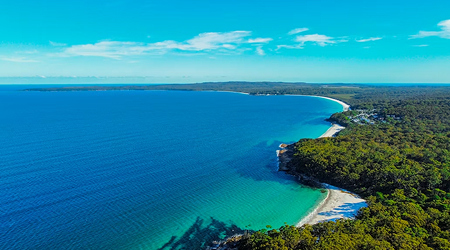
Jervis Bay is regularly described as one of the most beautiful places in Australia — and it really does live up to that reputation. Hyams Beach here holds the Guinness World Record for the whitest sand in the world, and the water in the bay is so clear and so blue that it looks almost unreal. Just a short drive from Sydney, this beautiful region is ideal for a relaxing countryside getaway.
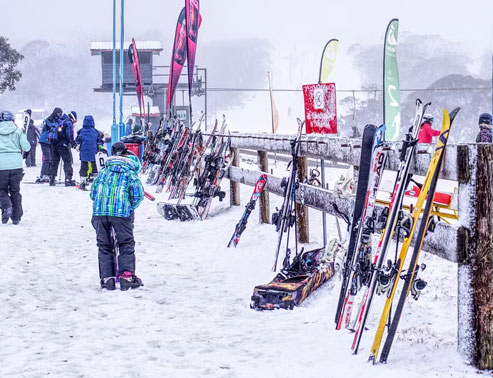
The Snowy Mountains in southern NSW are home to Australia's highest peaks, including Mount Kosciuszko at 2,228 metres. In winter, the Snowy Mountains become Australia's premier ski destination, with Perisher and Thredbo drawing skiers and snowboarders from across the country. In summer, the same landscape transforms into a beautiful alpine playground perfect for hiking, mountain biking, and fishing.
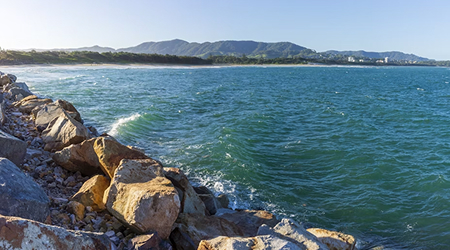
Coffs Harbour sits about halfway between Sydney and Brisbane and is a popular stop on the Pacific Highway road trip. It's a relaxed coastal city with excellent beaches, good surf, and a beautiful mix of rainforest and coast. The city is surrounded by national parks and is the heart of Australia's banana-growing region. It's a great spot to break up a long drive and spend a night or two exploring.
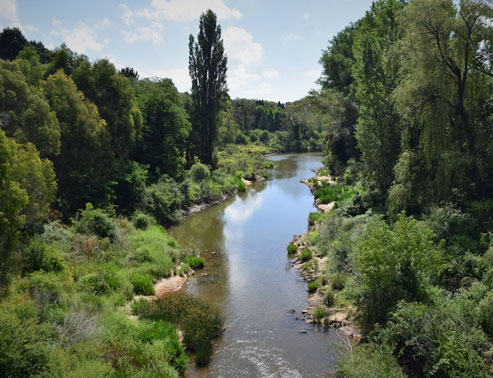
The Southern Highlands is one of NSW's most charming and underrated regions, sitting about an hour and a half south-west of Sydney. It's a beautiful area of rolling green hills, heritage towns, cool-climate gardens, and excellent local produce. Towns like Bowral, Berrima, and Kangaroo Valley are popular weekend escapes for Sydneysiders and are well worth a visit for any traveller heading south.
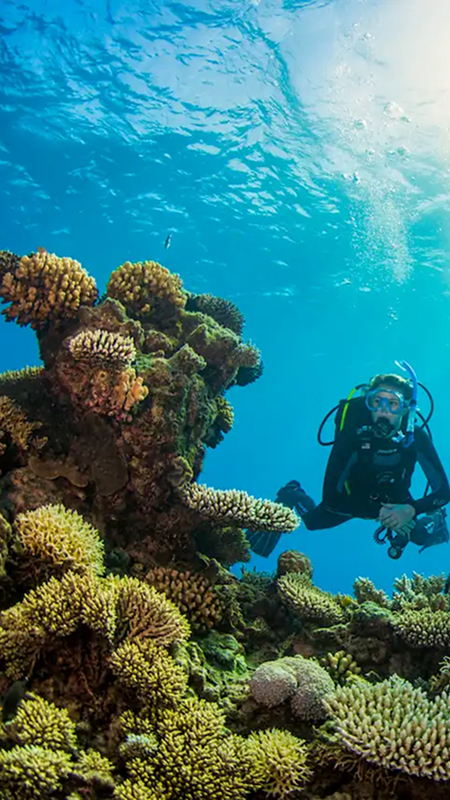
Lord Howe Island is one of NSW's best-kept secrets. This tiny island about 600km off the coast of Port Macquarie is home to the world's southernmost coral reef, pristine beaches, and incredible bird life. It's one of the few places in the world where the number of visitors is strictly limited, which means the experience feels genuinely untouched. Getting there requires a short flight from Sydney or Brisbane.
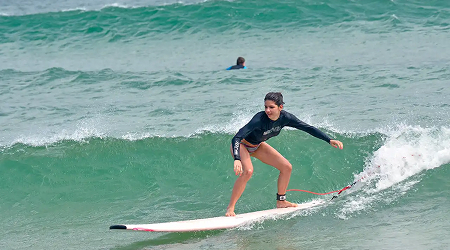
NSW has some of the best surfing in Australia. From the long point breaks of Byron Bay to the powerful beach breaks of Manly and the reliable waves at Coffs Harbour and Newcastle, there's something for every level of surfer. Most surf beaches have surf schools running lessons for beginners throughout the year.
Flights to major cities like Sydney and Melbourne are often cheaper because of higher flight availability.
NSW has a rich and living Aboriginal culture that visitors can engage with respectfully across the state. The Blue Mountains, Mutawintji National Park in the far west, and many coastal areas have significant cultural sites, guided tours, and cultural centres where you can learn about some of the world's oldest living cultures.
The Pacific Highway between Sydney and Brisbane is one of Australia's classic road trips. The coastal route passes through Port Macquarie, Coffs Harbour, Byron Bay, and dozens of smaller towns and beaches along the way. Allow at least 5 to 7 days to do it justice.
NSW is one of the best places in Australia to see humpback whales. The annual whale migration takes place from May to November, with whales travelling north from Antarctica in winter and south again in spring. Sydney, Byron Bay, Eden, and Merimbula are all excellent spots for whale watching cruises.
Australia might not be the first country that comes to mind for skiing, but the Snowy Mountains offer a genuinely excellent ski experience. Perisher is one of the largest ski resorts in the Southern Hemisphere and Thredbo has some of the best runs in the country. The season runs from June to September.
NSW is a year-round destination, but different seasons suit different types of travel. Here's what to expect across the year.
Summer in NSW runs from December to February and it's peak time for beach lovers. Sydney's beaches are packed, Byron Bay is at its best, and families flock to the south coast during school holidays. Just book your accommodation early — prices go up and popular spots fill fast. If you're heading inland, be prepared for some serious heat.
Autumn is one of the best times to visit NSW. The summer crowds have gone, prices drop, and the weather across the state is mild and comfortable. The Blue Mountains are beautiful in autumn, the Southern Highlands are at their most charming, and the Hunter Valley harvest season makes it a brilliant time for wine lovers to visit.
Winter is ski season in the Snowy Mountains and a great time to visit if you're heading to the slopes. Coastal NSW can be cool and occasionally rainy in winter, but Sydney winters are mild and the city is far less crowded. It's also whale watching season from June onwards, which is a brilliant bonus for anyone travelling along the coast.
Spring is arguably the best all-round time to visit NSW. The weather is warm without being extreme, the wildflowers are blooming in the mountains, and the tourist crowds haven't yet arrived in force. Tulip Time in Bowral in September is one of Australia's most popular garden festivals, and the coastal waters begin to warm up nicely from October onwards.
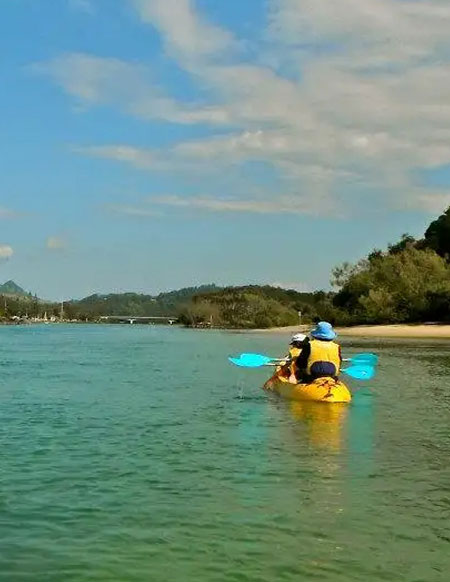
NSW is a big state and getting around requires a bit of planning. Here are the main transport options:
Hiring a car is by far the most popular and most practical way to explore NSW. It gives you total freedom — you can stop whenever you like, take detours, and reach destinations that public transport simply doesn't cover. All major car hire companies operate out of Sydney Airport and the CBD.
A campervan is a great option for longer trips through NSW. You have the flexibility of a hire car combined with your accommodation — which saves money and gives you access to some truly spectacular campsites in national parks and along the coast.
NSW TrainLink connects Sydney to many regional destinations including the Blue Mountains, Hunter Valley, Coffs Harbour, Byron Bay, and the Southern Highlands. Trains are a comfortable and affordable way to travel between major centres if you don't want to hire a car.
Long-distance buses are a cheap and easy way to get around NSW. Greyhound and NSW TrainLink coaches cover most major regional towns — they're slower than trains but reach more destinations and are often easier on the wallet.
Within Sydney, getting around is easy. The Opal Card works across trains, buses, ferries, and light rail — just tap on and tap off. You can pick one up at any convenience store, newsagent, or train station. The daily fare cap is $17.80 AUD on weekdays and just $8.90 on weekends, which is great value if you're spending a full day exploring. The airport train into the CBD costs $19.17 AUD.
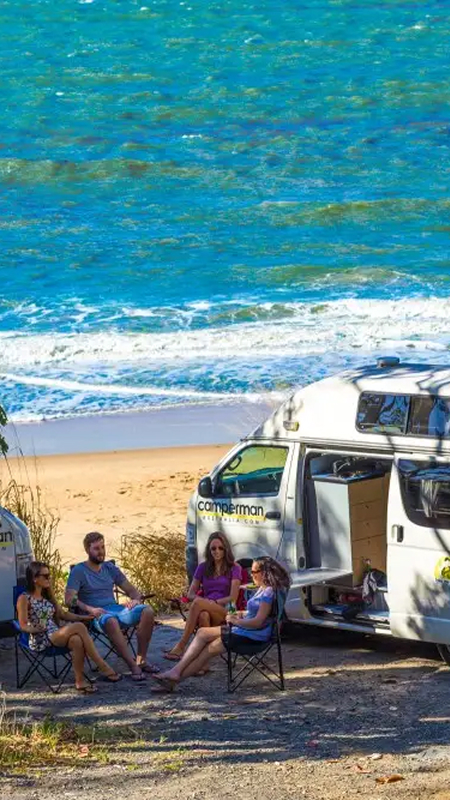
NSW has accommodation for every type of traveller — whether you're watching every dollar or happy to splash out. Here's a breakdown of what to expect in 2026:
HostelsIf you're travelling solo or on a budget, hostels in NSW are a great option. Sydney, Byron Bay, and the backpacker trail have some brilliant ones — most come with dorm rooms, private rooms, communal kitchens, and a social vibe that makes it easy to meet other travellers.
Regional NSW has plenty of clean, no-frills motels that do exactly what you need
Holiday parks are one of the great institutions of Australian travel and NSW has some brilliant ones. Most have a range of accommodation from powered caravan and camping sites through to self-contained cabins and villas. They nearly always have pools, playgrounds, BBQ areas, and communal kitchens — and they're excellent value for families and groups.
NSW has a great range of mid-range hotels and serviced apartments, particularly in Sydney and the major coastal towns. Serviced apartments are especially good value for families as they come with a kitchen and more space.
NSW National Parks has campgrounds in some of the state's most spectacular locations. Camping inside national parks is an affordable and unforgettable experience. Book online through the NSW National Parks website — popular sites fill up quickly, especially during school holidays.
New South Wales can suit a wide range of budgets depending on how you travel. Here is a realistic breakdown of what to expect in 2025 and 2026:

Most international visitors need a visa or Electronic Travel Authority (ETA) to enter Australia. The ETA is available online through the Australian Department of Home Affairs website and is usually processed within minutes. Every traveller — including children — needs their own visa.
Australia uses the Australian Dollar (AUD). Card payments are accepted almost everywhere in NSW, including small cafes, markets, and regional towns. It's worth keeping a small amount of cash for very remote areas and small markets. ATMs are widely available in all towns and cities.
The Australian sun is significantly stronger than most visitors expect. UV levels in NSW can be extreme, even on overcast days. Always wear SPF 50+ sunscreen, a wide-brimmed hat, and UV-protective sunglasses when outdoors. Reapply sunscreen every two hours.
Australia has a reputation for dangerous wildlife, but encounters are rare when you take sensible precautions. Snakes and spiders are present across NSW — stick to marked trails, wear closed shoes in bushland, and shake out shoes left outdoors overnight.
Driving in NSW is straightforward on well-maintained roads. Remember to drive on the left. Speed limits are strictly enforced — 50km/h in built-up areas and 100 to 110km/h on highways. Random breath testing is common and the legal blood alcohol limit is 0.05.
Australia has an excellent healthcare system but medical treatment can be very expensive for international visitors. Comprehensive travel insurance covering medical emergencies, evacuation, and trip cancellation is strongly recommended for all visitors. Australia has reciprocal healthcare agreements with a small number of countries — check whether your home country is included before you travel.
Mobile coverage across NSW is excellent in cities and major towns. In remote and rural areas, coverage can be patchy. Telstra has the best regional coverage in NSW. Prepaid SIM cards are available at airports, supermarkets, and convenience stores — Telstra, Optus, and Vodafone all offer competitive prepaid plans. Free WiFi is available in most cafes, libraries, and many accommodation options.
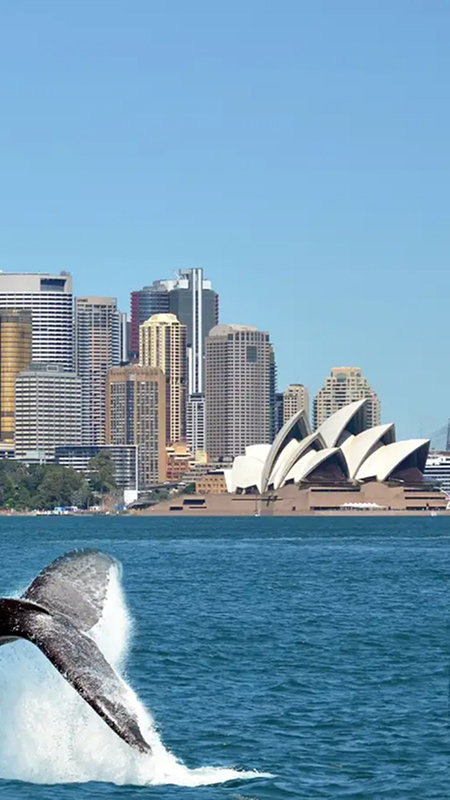
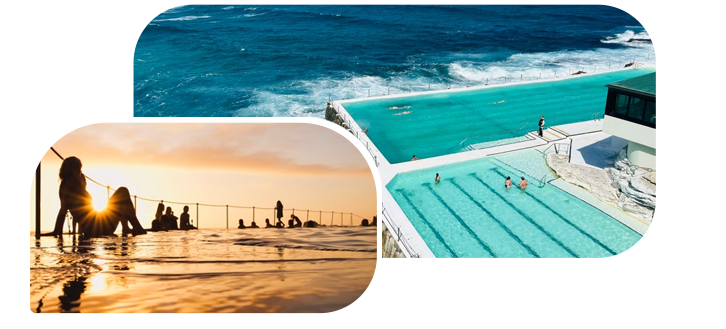
New South Wales has something for everyone. Swim at Bondi Beach, hike through the Blue Mountains, sip wine in the Hunter Valley, or catch waves at Byron Bay. The experiences here are hard to forget. Give yourself at least ten days, plan your stops, and enjoy one of Australia's best travel destinations.