banner

Tasmania Travel Guide

  • homeTasmania Travel Guide

Tasmania Travel Guide

Tasmania is different. The moment you step off the ferry or plane, you feel it — the air is cleaner, the landscapes are wilder, and everything moves just a little slower. Australia's island state sits 240 km south of the mainland and feels like a completely separate world. Ancient wilderness, world-class food and drink, fascinating convict history, and some of the best walking tracks on the planet. Tassie doesn't get the attention it deserves — which is exactly why it's worth going.
image

Where to Go

Hobart

Hobart is Tasmania's capital and one of Australia's most characterful cities. It's small — just under 250,000 people but it punches well above its weight for culture, food, and atmosphere. The waterfront Salamanca Place is lined with sandstone warehouses converted into galleries, cafes, and bars. The Saturday Salamanca Market is one of the best outdoor markets in Australia. Above the city, Mount Wellington (kunanyi) rises to 1,271 metres and offers jaw-dropping views over Hobart and the Derwent River on a clear day.
image

MONA

MONA the Museum of Old and New Art deserves its own entry because it genuinely changed Tasmania. This extraordinary private museum sits on a peninsula 12km north of Hobart and houses one of the most provocative and fascinating art collections in the world. You arrive by ferry from Hobart's waterfront, which is half the experience. Whether you love art or have never set foot in a gallery, MONA will surprise you.

image

Freycinet National Park

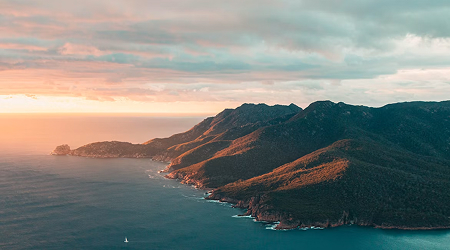
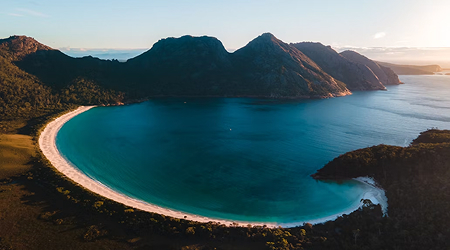
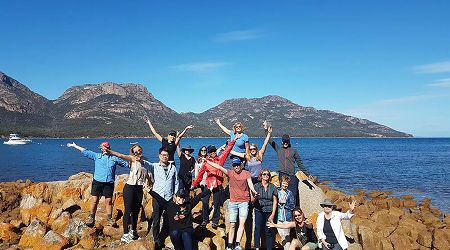
Freycinet is Tasmania's most iconic national park and home to Wineglass Bay consistently rated one of the most beautiful beaches in the world. The pink granite peaks of the Hazards rise dramatically above the coastline, and the walking tracks here offer some of the best day hiking in Australia. The full Freycinet Peninsula Circuit takes three days and is genuinely spectacular. Even a two-hour walk to the Wineglass Bay Lookout is worth every step.
image

Cradle Mountain

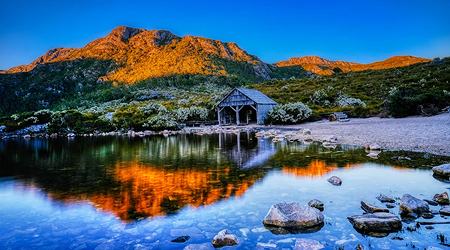
Cradle Mountain is Tasmania's most famous wilderness destination and the northern gateway to the Overland Track one of Australia's great multi-day hikes. The jagged dolerite peak reflected in Dove Lake is one of the most photographed images in Australian nature. Even if you're not doing the full Overland Track, the day walks around Cradle Mountain are outstanding the Dove Lake Circuit is stunning and manageable for most walkers.
image

Port Arthur

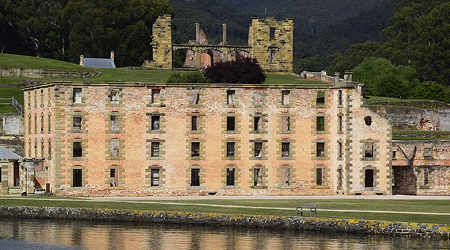
Port Arthur on the Tasman Peninsula is Australia's most significant convict heritage site and one of the most visited destinations in Tasmania. The ruins of the penal colony built between the 1830s and 1870s are remarkably well preserved and genuinely moving to walk through. The historic ghost tours at night are brilliantly done and surprisingly atmospheric. Allow a full day here there's more to see than most people expect.
image

The Bay of Fires

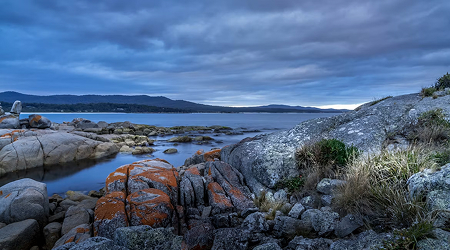
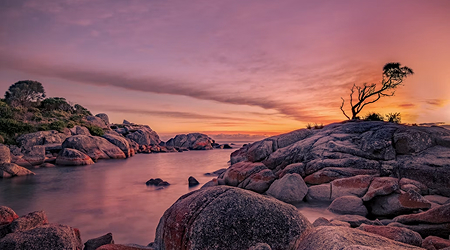
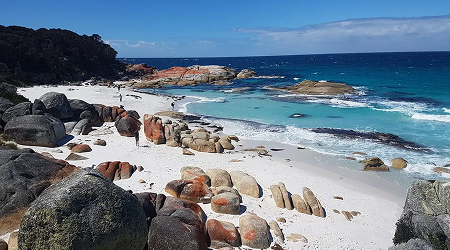
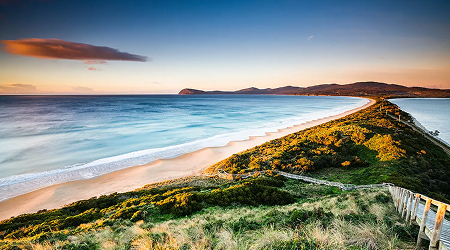
The Bay of Fires on Tasmania's north-east coast is one of those places that makes you question why you haven't been sooner. The beaches here are wild and largely deserted, the water is a brilliant turquoise, and the coastline is lined with dramatic orange-lichen covered boulders that glow in the afternoon light. It's remote and that's the point this is Tasmania at its most raw and beautiful.
image

Launceston

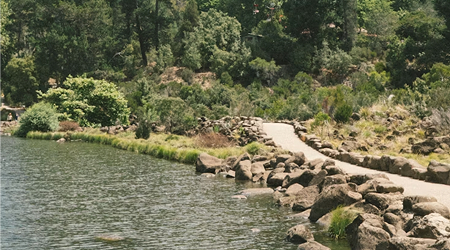
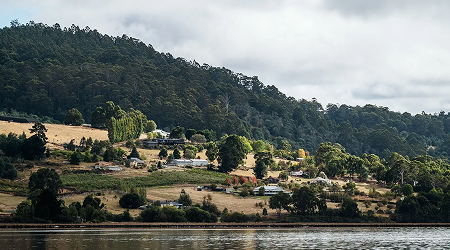
Tasmania's second city sits at the northern end of the island and is a great base for exploring the Tamar Valley wine region and the Cataract Gorge a stunning natural gorge just a ten-minute walk from the city centre. Launceston has a brilliant food scene, a relaxed atmosphere, and a compact historic centre that's easy to explore on foot. It's often overlooked in favour of Hobart but, it's well worth a day or two.
image

What to Do

  • Walk to the Wineglass Bay Lookout in Freycinet National Park two hours return and absolutely worth it
  • Visit MONA allow at least half a day and take the ferry from Hobart's waterfront
  • Walk the Overland Track from Cradle Mountain to Lake St Clair 65km, usually done in 6 days, one of Australia's great hikes
  • Explore Port Arthur Historic Site and join the evening ghost tour
  • Drive the Bay of Fires and spend a night camping on the beach
  • Browse the Salamanca Market in Hobart every Saturday morning
  • Drive up kunanyi (Mount Wellington) for views over Hobart particularly stunning at sunrise
  • Walk the Three Capes Track on the Tasman Peninsula a stunning 48km coastal walk over three to four days
  • Visit Bruny Island for oysters, cheese, and incredible coastal scenery just south of Hobart
  • Spot Tasmanian devils at a wildlife sanctuary they're nocturnal in the wild so a sanctuary is your best bet
image

When to Go

Tasmania has four distinct seasons and is worth visiting year-round, though each season offers a very different experience.
  • Summer (December to February): The most popular time. Long days, warm temperatures, and all walking tracks are accessible. Busy and more expensive - Book ahead
  • Autumn (March to May): One of the best times to visit. The crowds thin out, the deciduous trees in the Tamar Valley and around Hobart turn brilliant colours, and the weather is still comfortable
  • Winter (June to August): Cold and sometimes wild - but Tasmania in winter has a brooding atmosphere that's hard to beat. Snow on Cradle Mountain and kunanyi is spectacular. The Aurora Australis (Southern lights) is sometimes visible on clear nights
  • Spring (September to November): The wilderness comes alive. Wildflowers bloom across the national parks, wombats and wallabies are active, and the walking tracks are quieter than summer
image

Getting There and Getting Around

Tasmania is an island, so you either fly or take the ferry. Both are good options depending on your travel style and budget.
  • Fly: Jetstar, Virgin Australia, and Qantas fly to Hobart and Launceston from Melbourne, Sydney, and Brisbane. Flights from Melbourne take about an hour and are often very affordable
  • Ferry: Spirit of Tasmania operates overnight ferries between Melbourne and Devonport on Tasmania's north coast. It takes around 9 to 10 hours - a great option if you want to bring your own car
  • Hire car: Essential for exploring Tasmania beyond the cities. Roads are good and distances are manageable - Hobart to Cradle Mountain is about 3 hours. Budget $50 – $100 AUD per day
  • Campervan: A popular choice for Tassie - the island has brilliant campsites in national parks and coastal spots. Budget $120 - $280 AUD per day
  • Tasmania Parks Pass:A $101.70 AUD annual pass (or $28 for 8 weeks) covers entry to all national parks - essential if you're visiting Freycinet, Cradle Mountain, or Port Arthur
image

Food and Drink

Tasmania's food and drink scene has absolutely exploded over the past decade and is now one of the best reasons to visit. The combination of clean air, pure water, and a cool climate produces outstanding produce - and the chefs and producers here know exactly what to do with it.
  • Oysters - Tasmanian oysters are among the finest in the world. Get them fresh at Barilla Bay Oyster Farm near Hobart Airport or on Bruny Island
  • Whisky - Tasmania has become one of the world's great whisky regions. Lark Distillery in Hobart and Sullivans Cove are internationally acclaimed do a tasting
  • Seafood - Tasmanian salmon, abalone, scallops, and crayfish are exceptional. The waterfront at Constitution Dock in Hobart is the best place to eat fish and chips straight from the boats
  • Craft beer - Two Metres Tall and Cascade Brewery (Australia's oldest brewery, established 1824) are both worth a visit in Hobart
  • Bruny Island Cheese - the cheese made on Bruny Island is outstanding. The day trip from Hobart to Bruny for oysters, cheese, and wine is one of the best food experiences in Tasmania
  • Farmgate Brewery and Wursthaus Kitchen in Hobart are both excellent spots for local produce and a relaxed lunch
image

What It Costs

Tasmania is generally more affordable than Sydney or Melbourne, and the quality of experiences relative to cost is excellent.
  • Budget travel: $90 - $140 AUD per person per day - camping, self-catered meals, free national park walks
  • Mid-range travel: $200 - $360 AUD per person per day - comfortable hotels, restaurant dining, hire car
  • Luxury travel: $450+ AUD per person per day - premium lodges, fine dining, guided experiences
  • MONA entry: $39 AUD per adult (Hobart residents free)
  • Three Capes Track: $495 AUD per person for the guided Parks Tasmania experience
  • Overland Track: $200 AUD per person booking fee in peak season (November to April)
  • Spirit of Tasmania ferry: from $110 AUD per person one way, from $270 AUD with a vehicle
image

Good to Know

  • Tasmania's weather is famously unpredictable - pack layers and a waterproof jacket no matter what season you visit
  • The national parks pass is excellent value - buy it online before you arrive at parks.tas.gov.au
  • Mobile coverage is patchy outside the main towns - download offline maps before heading into wilderness areas
  • Book popular accommodation and walking tracks well ahead in summer - Freycinet and Cradle Mountain fill up months in advance
  • Tasmanian wildlife is most active at dawn and dusk - drive carefully on rural roads at these times
  • The Overland Track requires a booking between November and April - apply well in advance at parks.tas.gov.au
  • Emergency number: 000
image