Western Australia Travel Guide
- homeWestern Australia Travel Guide
Western Australia is one of those places that stays with you long after you leave. Massive beaches with almost no one on them. Wildlife you will not find anywhere else. Wine regions, ancient gorges, coral reefs, and open roads that go on forever.
This guide covers everything you need to plan a great trip — where to go, what to do, how much to budget, and when to visit.
Most visitors to Australia stick to Sydney, Melbourne, and the east coast. That means Western Australia is quieter, less crowded, and in many ways more rewarding.
You get beaches that look too good to be real. You get kangaroos hopping along the sand. You get world-class wine, incredible snorkelling, and sunsets over Cable Beach that people genuinely travel across the world to see.
The one thing to know before you go: this state is enormous. Driving from Perth to Broome takes around 23 hours. So rather than trying to see everything, pick two or three regions and enjoy them properly.
Perth is where most trips begin, and it is a great city to spend a few days in. It is sunny, relaxed, and sits right next to some beautiful beaches. Kings Park is one of the best inner-city parks in Australia, with views over the Swan River and the city skyline. Cottesloe Beach is just 15 minutes from the centre and perfect for a swim or a sunset drink.
Fremantle, a short train ride south, has a famous weekend market, good cafes, and a lot of character. It is worth a half day at least. The best day trip from Perth is Rottnest Island, about 90 minutes by ferry. The island is famous for quokkas — small, friendly marsupials that make for great photos. No cars are allowed, so you hire a bike and ride around the beaches at your own pace. Book ferry tickets early in summer because it sells out fast.
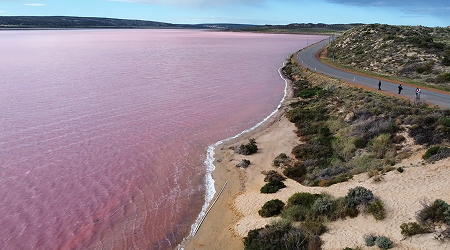
About three hours south of Perth, Margaret River is one of Australia's best wine regions and one of the most enjoyable places in the state to spend a few days.
The wineries here produce seriously good Cabernet Sauvignon and Chardonnay. There are also excellent breweries, farm shops, and restaurants. But it is not just about food and wine. The coastline is rugged and beautiful, the surf is world-class, and there are ancient limestone caves to explore including Mammoth Cave and Jewel Cave.
The Cape to Cape Track is a 125-135 kilometre coastal walk between Cape Naturaliste and Cape Leeuwin. You do not need to walk all of it — even a short section gives you stunning coastal views.
Margaret River works well for couples, families, and anyone who enjoys good food in a beautiful setting.
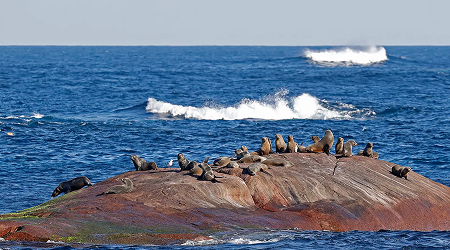
This is one of the best things in all of Australia and it does not get nearly the attention it deserves.
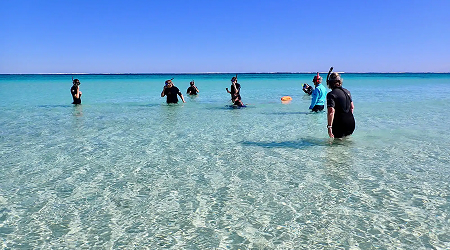
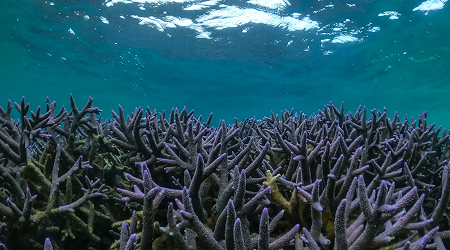
Ningaloo Reef is a World Heritage listed coral reef off the coast of Exmouth and Coral Bay in Western Australia's north-west. Unlike the Great Barrier Reef, you can walk straight off the beach and be snorkelling on the reef in minutes. No boat required.
Ningaloo Reef is a World Heritage listed coral reef off the coast of Exmouth and Coral Bay in Western Australia's north-west. Unlike the Great Barrier Reef, you can walk straight off the beach and be snorkelling on the reef in minutes. No boat required.
Coral Bay is a small, laid-back town about two hours south of Exmouth and a great base for snorkelling, swimming with manta rays, and boat tours. It has a beautiful bay with calm, clear water that is perfect even for kids.
Exmouth is the main hub for Ningaloo tours and has good accommodation, restaurants, and services. From here you can also explore the Cape Range National Park, which sits right next to the reef and has dramatic gorges, hiking trails, and some of the best campsite locations in the country.
If you are planning a trip to Western Australia, Ningaloo should be near the top of your list.
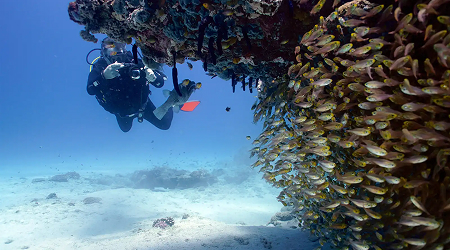
Esperance is about seven hours from Perth but the beaches here are worth every kilometre.
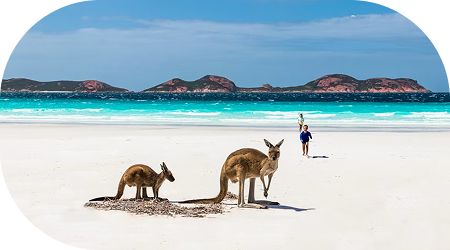
Lucky Bay in Cape Le Grand National Park is one of the whitest, most beautiful beaches in Australia. The water is an almost unreal shade of turquoise. And yes, kangaroos really do come down onto the sand. It is not a tourist trick — they just like the beach, apparently.
The Great Ocean Drive is a scenic coastal loop just outside the town that takes you past a series of stunning lookouts and beaches. Cape Le Grand National Park also has great hiking trails with views across the Southern Ocean that go as far as the eye can see.
Esperance is the kind of place that surprises people. It is not on everyone's radar, which is part of what makes it so good.
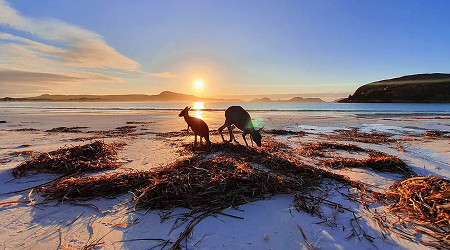
Broome is unlike anywhere else in Australia. It sits in the far north of the state and has a mix of pearling history, multicultural heritage, and some genuinely spectacular natural surroundings.
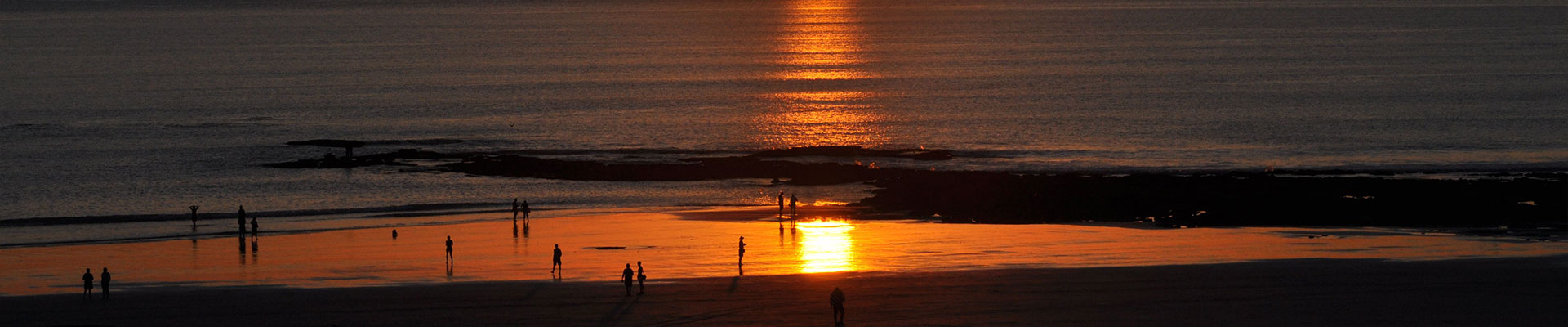
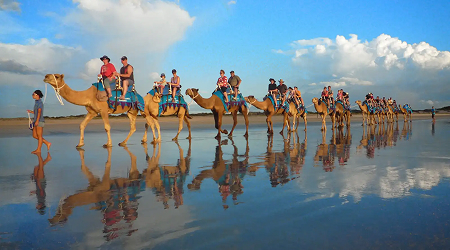
Cable Beach is the main attraction — 22 kilometres of red-sand beach meeting bright blue water. The sunsets here are famous for a reason. Camel rides along the beach at sunset are a bit of a cliché but honestly worth doing once.
At Gantheaume Point, you can see actual dinosaur footprints preserved in the rocks. They are around 120-130 million years old.
Broome is also the jumping-off point for tours to the Horizontal Falls, a strange and dramatic natural phenomenon where tidal forces push water through narrow rock gorges creating what looks like a waterfall lying on its side. Tours go by seaplane or boat and are genuinely memorable.
The Kimberley is remote, wild, and unlike anything most travellers have ever seen.
This huge region in Western Australia's far north has ancient gorges, massive waterfalls, red dirt landscapes, and a feeling of real isolation that is harder and harder to find in the modern world.
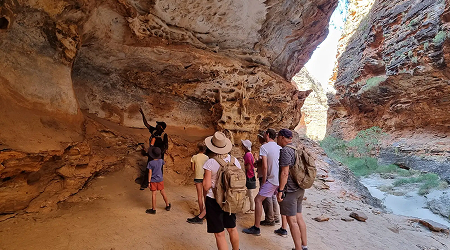
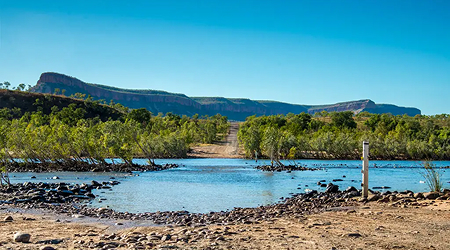
The Gibb River Road is a 660-kilometre unsealed track through the heart of the region and one of Australia's great road trip routes. Along the way you will find the gorges of El Questro, Emma Gorge, Manning Gorge, and the multi-tiered Mitchell Falls.
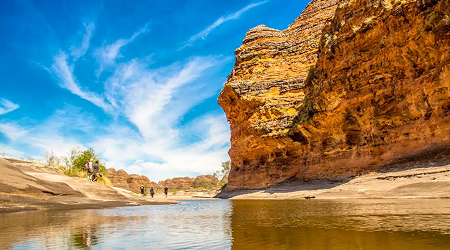
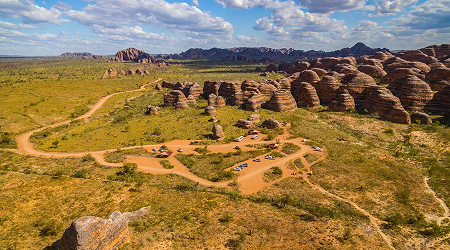
Purnululu National Park is home to the Bungle Bungle formations — extraordinary beehive-shaped sandstone domes striped in orange and black. They look like something from another planet. The park is a UNESCO World Heritage Site and one of the most photographed landscapes in the country.
A 4WD is essential for much of the Kimberley. Some roads are closed during the wet season between November and April. But for travellers who come prepared, this region delivers experiences that are difficult to put into words.
Western Australia suits a range of budgets. Here is a rough guide:
Budget — around $120 to $180 AUD per day. Hostels, self-catering, free beaches and parks. A campervan can be a smart option here as it combines transport and accommodation.
Mid-range — around $250 to $400 AUD per day. Hotels or apartments, car hire, good restaurants, and paid tours and activities.
Luxury — $500 AUD and above per day. Premium lodges, guided Kimberley tours, fine dining, and some of the best wilderness experiences in the country.
Car hire runs roughly $50 to $90 AUD per day for a small car and $90 to $160 AUD for an SUV. If you are heading to remote areas, a 4WD is worth the extra cost.
Western Australia has a great food scene that most visitors do not expect.
Perth has lively dining in Northbridge and Leederville with everything from casual cafes to good restaurants. For the best fish and chips, head to Fremantle Fishing Boat Harbour and eat on the water.
Margaret River takes food seriously. Winery restaurants here serve outstanding local produce — beef, cheese, seafood, and olive oil — in beautiful settings.
Seafood is a highlight across the whole state. Western Australia is famous for its rock lobster, and fresh prawns, barramundi, and blue swimmer crab are easy to find along the coast. In Broome and the north, try local barramundi and mud crab.
In remote areas, options are limited and prices rise. Stock up in larger towns before heading out.

Western Australia is too big for public transport outside of Perth, so having your own vehicle makes a huge difference.
A hire car is the most flexible option for most itineraries. A campervan works well for longer road trips. And for big distances — like Perth to Broome or Perth to Exmouth — a domestic flight saves a lot of time and is often cheaper than you expect.
Within Perth, the train and bus network is easy to use and covers most of what you need.
September to November is the sweet spot for most of Western Australia. The weather is comfortable, the wildflowers are blooming across the interior, and it is not yet peak summer heat.
June to August is the best time for the north — Broome, the Kimberley, and Exmouth. Temperatures are pleasant and the landscapes are at their most accessible. This is also great for whale watching along the coast.
December to February is ideal for beaches around Perth and the south, but gets very hot and sometimes stormy in the north.
March to May is quieter, comfortable, and often better value for accommodation and tours.
Sunscreen is not optional here. UV levels are high year-round, so pack high SPF, a hat, and sunglasses every single day.
Fuel up whenever you can on remote routes. Gaps between stations can be very long and running out of fuel in the outback is not a situation you want to be in.
Book popular things early. Whale shark tours at Ningaloo, Rottnest Island ferries, and Cable Beach accommodation in Broome all sell out well ahead in peak season.
Mobile coverage is good in cities and towns but drops off fast in remote areas. Download offline maps before you go and tell someone your route if you are heading somewhere isolated.
Western Australia rewards travellers who take their time with it. The beaches, the reef, the wine, the gorges — none of it feels rushed or packaged. It feels real.
Give yourself 10 to 14 days if you can. Focus on two or three regions rather than trying to cover everything. And make sure Ningaloo is on the list.